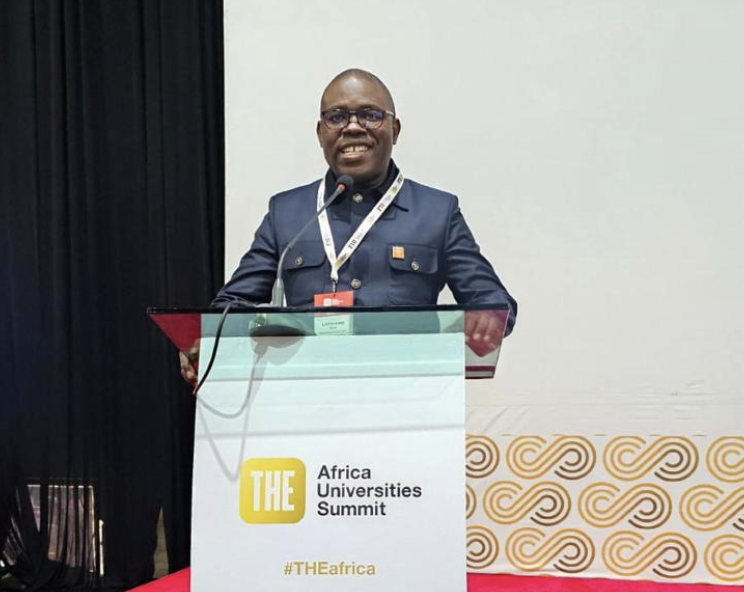
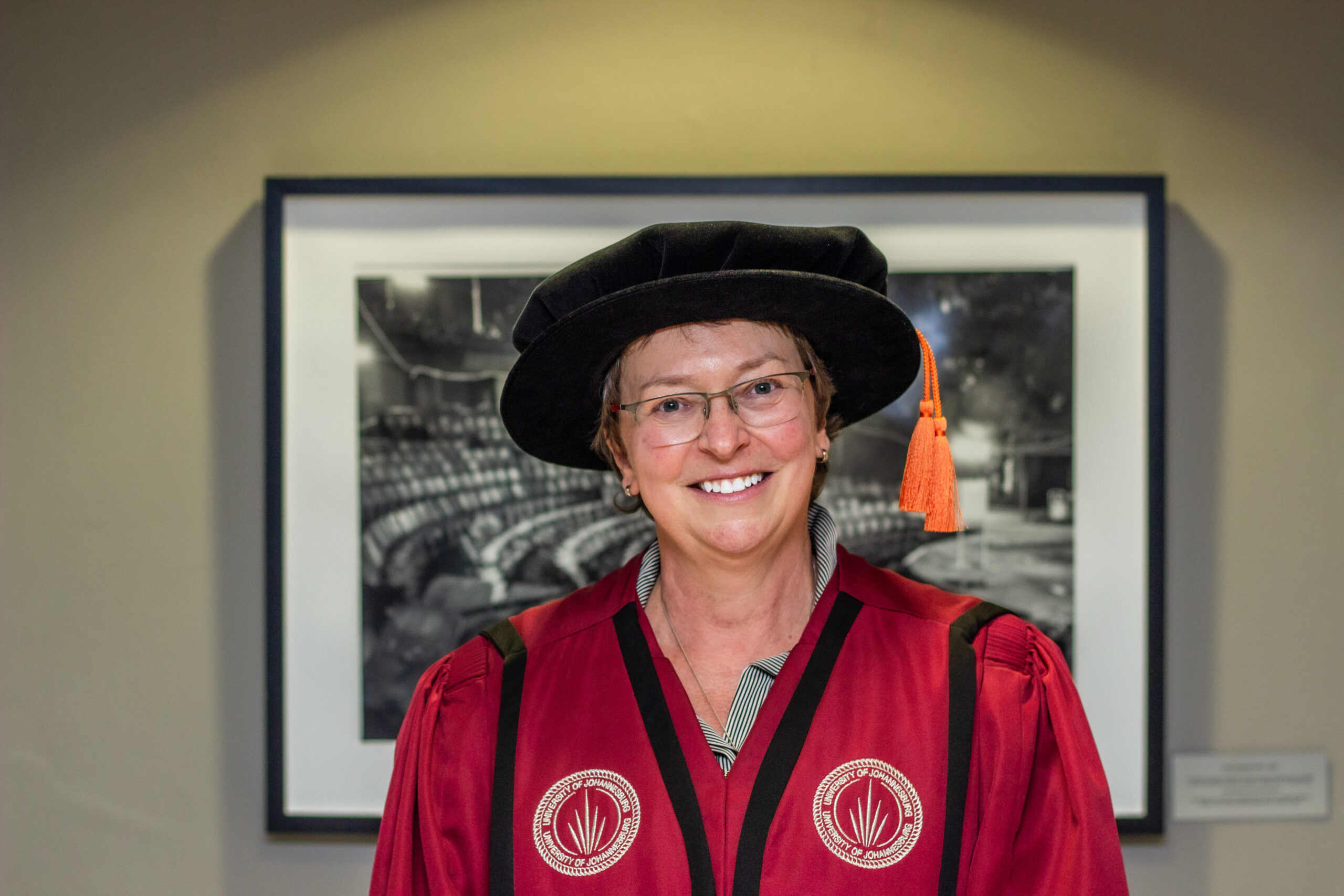
Universities must be effectively and intentionally integrated into the Primary Health Care (PHC) agenda, not as peripheral contributors but as central architects of transformation. If we exclude universities from PHC reform, we risk producing graduates misaligned with the needs of our communities.

This was the clarion call by Professor Letlhokwa Mpedi, the Vice-Chancellor and Principal of the University of Johannesburg, this week when he delivered a keynote address at the Second Primary Health Congress at the Amref International University in Nairobi, Kenya. Prof Mpedi led a UJ delegation to the East African country. The congress was held in collaboration with, amongst others, the UJ Faculty of Health Sciences, under the theme Redesigning Primary Healthcare: Building Resilience Amidst Global Uncertainty.
In his address on Wednesday, 4 March 2026, Prof Mpedi said the theme was not only relevant, but that it was also urgent and strategic as people across the continent face a defining moment. “Demographic shifts, epidemiological transitions, fiscal constraints, technological disruption, climate change, and global health security threats are reshaping the health landscape as we know it.”
For his full speech, click here.
To highlight the magnitude of the problem, Prof Mpedi referred to statistical information. “Consider what the numbers tell us: more than 150 million Africans are pushed into poverty every year by out-of-pocket health expenses. And the World Health Organisation (WHO) estimates a shortfall of 6.1 million healthcare workers on our continent by 2030.”
These, he said, were not abstract figures. “They are mothers, fathers, and children falling through the cracks of systems we have the power to fix. And yet, amidst all this complexity, the pathway remains clear: Primary Health Care is the most powerful and equitable route to Universal Health Coverage and health justice in Africa.”
Prof Mpedi said universities must be effectively and intentionally integrated into the Primary Health Care agenda, not as peripheral contributors but as central architects of PHC transformation. Universities are not abstract institutions. “They are engines of human capital, knowledge production, and innovation. I refer to this as societal impact. Our mandate stretches well beyond our walls and encompasses the communities around us. Are we doing enough to answer the cries around us?”
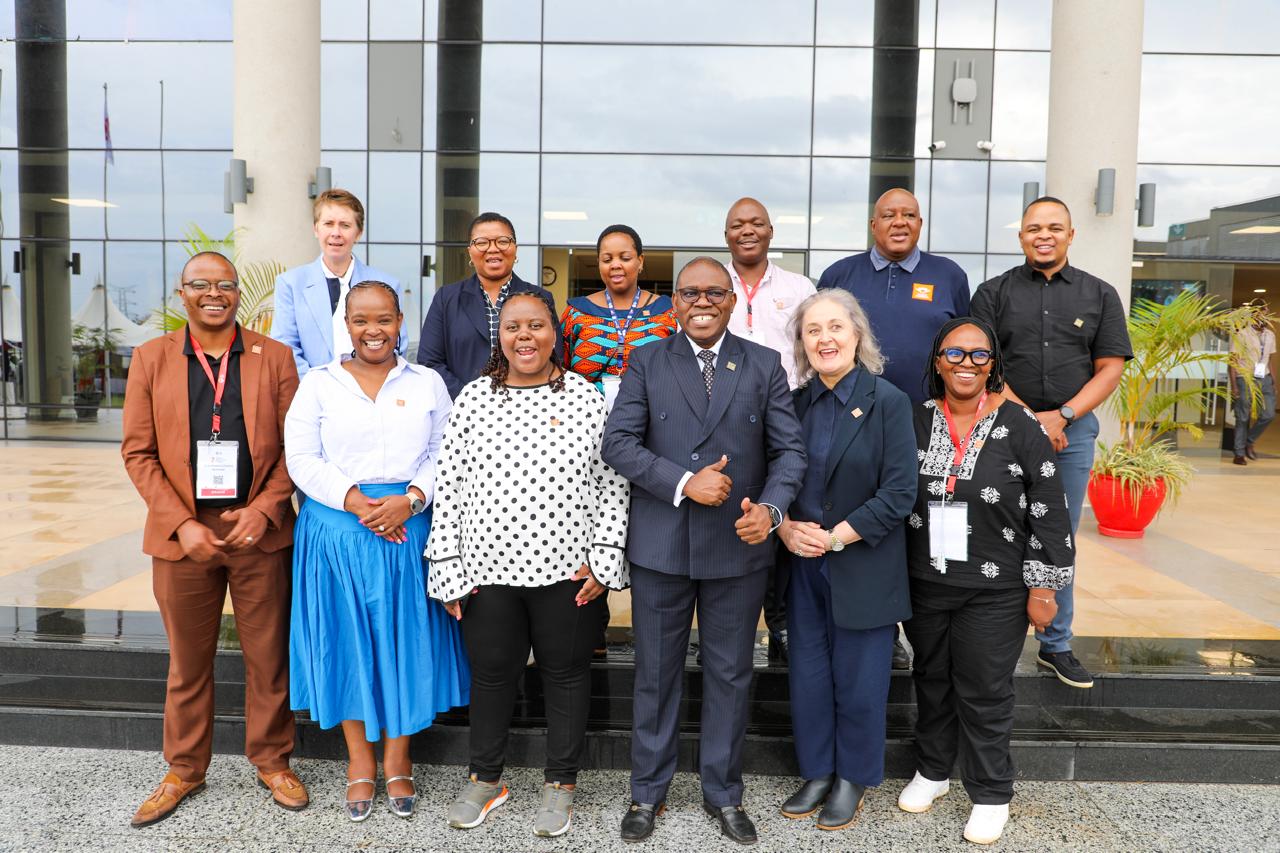
During the visit, the UJ delegation had a productive meeting with the Equity Group, and Partner Universities such as Karatina University, Kenya Advanced Institute of Science and Technology, and the Open University of Kenya). They explored potential areas of collaboration, including higher education and leadership development, research, innovation, and technology partnerships and exchange programmes, as well as sustainability and development impact initiatives. In addition, the UJ delegation had a courtesy call with the African Academy of Sciences (AAS) team to discuss areas of mutual interest and collaboration. The AAS team was led by the Executive Director, Professor Catherine Ngila.
Furthermore, the UJ-Kenya Alumni event was held on Friday, 6 March 2026. This exclusive event aimed to provide UJ Kenyan alumni with an opportunity to reconnect, network, and engage with one another and with members of the Management Executive Committee (MEC) of their alma mater. The visit was a resounding success, further cementing UJ’s recognition and influence on the African continent and across other parts of the world.