The University of Johannesburg’s (UJ) Postgraduate School of Engineering Management hosted its annual colloquium on 21 July 2026 at the School of Tourism and Hospitality on the Auckland Park Bunting Road Campus. Held under the theme “Engineering Management in the Time of Technology Revolution”, the event brought together industry leaders, academics, researchers and postgraduate students to examine how engineering management is evolving in response to rapid technological change.
Facilitated by Professor Khaled Aboalez, Associate Professor in the Postgraduate School of Engineering Management, the colloquium featured a panel of industry experts comprising Dr Pheladi Molepo (ENGIE Africa), Dr Sello Mollo (Sasol), Mr Nhlanhla Ngobeni (MG Consulting Engineers) and Mr Reeshen Reddy (CSIR). The discussion explored the growing influence of artificial intelligence, digital transformation and data-driven decision-making on engineering practice, while highlighting the leadership, technical and human-centred capabilities needed to succeed in an increasingly technology-driven environment.
The colloquium created a platform for meaningful dialogue between academia and industry on the future of engineering management. Panellists emphasised that while emerging technologies are reshaping engineering, success will depend on professionals who can combine technical expertise with strategic thinking, ethical leadership and adaptability. Topics such as predictive maintenance, innovation, digital technologies and lifelong learning featured prominently throughout the discussions.

The event concluded with a postgraduate research poster exhibition, providing students with an opportunity to showcase their research, engage with industry professionals and academics, and strengthen collaboration between the University and the engineering sector.
Beyond technological advances, the colloquium encouraged participants to reflect on the broader societal and ethical implications of engineering in the digital age. Discussions centred on several key questions:
- How can universities maintain academic rigour while preparing graduates for a technology-driven future?
- What would a just technology transition look like, ensuring that innovation benefits society without leaving people behind?
- Who is responsible for ensuring engineers remain relevant as technologies evolve – individuals, industry, universities or policymakers?
- As data becomes central to engineering systems, who should own, govern and protect it?
These conversations reinforced the importance of preparing engineering leaders who are not only technologically proficient but also ethically grounded, adaptable and committed to continuous learning.
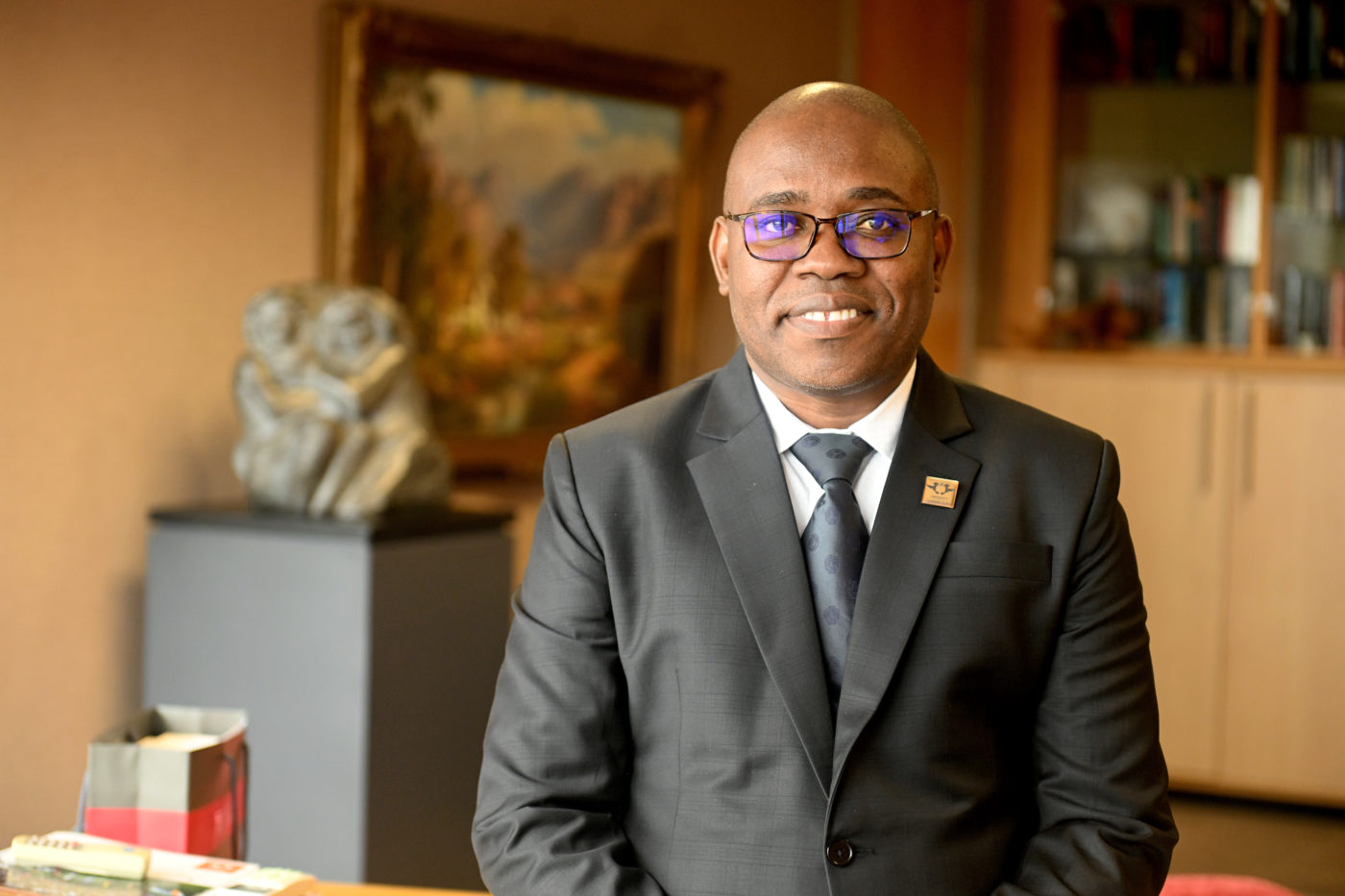
Professor Peter Mashinini, Vice Dean: Teaching and Learning in UJ’s Faculty of Engineering and the Built Environment, said:
“Technology is transforming how we work, learn and make decisions, but the human touch remains critical. We must use technology to make better decisions, not allow it to replace our judgement.”
Professor Khaled Aboalez, Associate Professor in the Postgraduate School of Engineering Management, added:
“Engineering management is no longer only about managing technical systems. Today’s leaders must be able to integrate technology, people and data while navigating rapid technological change and uncertainty.”
The annual colloquium once again highlighted the value of sustained engagement between universities and industry. As technological disruption accelerates, platforms such as these remain essential for preparing engineering professionals to navigate emerging challenges, seize new opportunities and drive sustainable innovation.