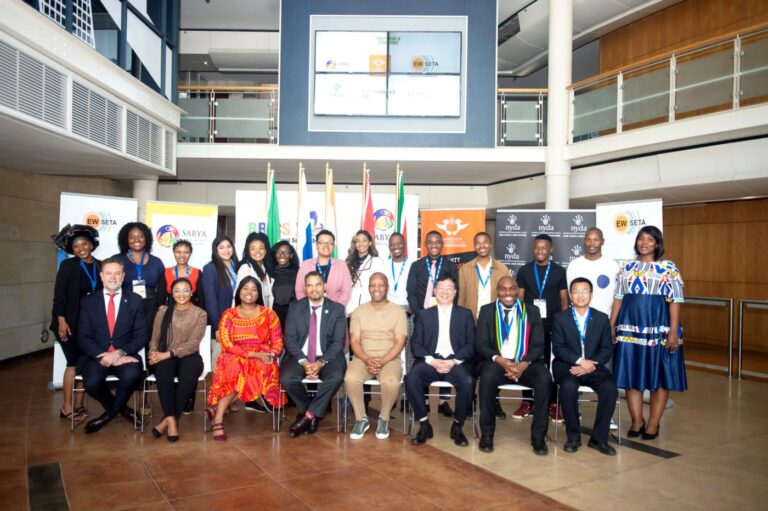
The University of Johannesburg’s (UJ) Institute for Pan-African Thought and Conversation (IPATC), in collaboration with the South African BRICS Youth Association, hosted the fourth edition of the BRICS Summer School from Monday, 1 September to Wednesday, 3 September.
Under the theme “Building Inclusive Futures: Education, Innovation and Unity across the BRICS and Global South”, delegates explored ways to reimagine global cooperation through equity, solidarity, and shared empowerment.
Prof. Siphamandla Zondi, IPATC Director, reflected on the Summer School’s four-year journey, emphasising the importance of BRICS countries working together to harness skills. He also announced the BRICS Plus Skills Programme, certified by UJ.
“This programme offers intensive knowledge, practical high-value skills, career development advantages, and unparalleled networking opportunities. It is an honour to provide young people and future leaders with a platform to accelerate their skills and deepen their understanding of a key global partnership.”
Prof. Zondi highlighted BRICS’ significance, noting that the bloc represents 41% of the world’s population, nearly 40% of global GDP, hosts the three largest energy powers, and includes some of the fastest-growing economies.
“BRICS is where the world’s direction is being shaped. This is an opportunity to understand the future today and prepare to lead it.”
He encouraged delegates to apply for the programme, which includes Introduction to BRICS + Diplomacy in Global Governance, covering political diplomacy, power negotiations, deal-making, economic and financial cooperation, global governance, and cultural collaboration.
Raymond Matlala, SABYA Executive Chairman, reflected on the Summer School’s evolution from a single event into a full academic programme.
“We have launched the BRICS Summer School series, which includes delegates’ discussion topics, newspaper articles, policy briefs, and full papers. A review board from across BRICS member states will oversee the papers, which will be published in an accredited BRICS journal.”
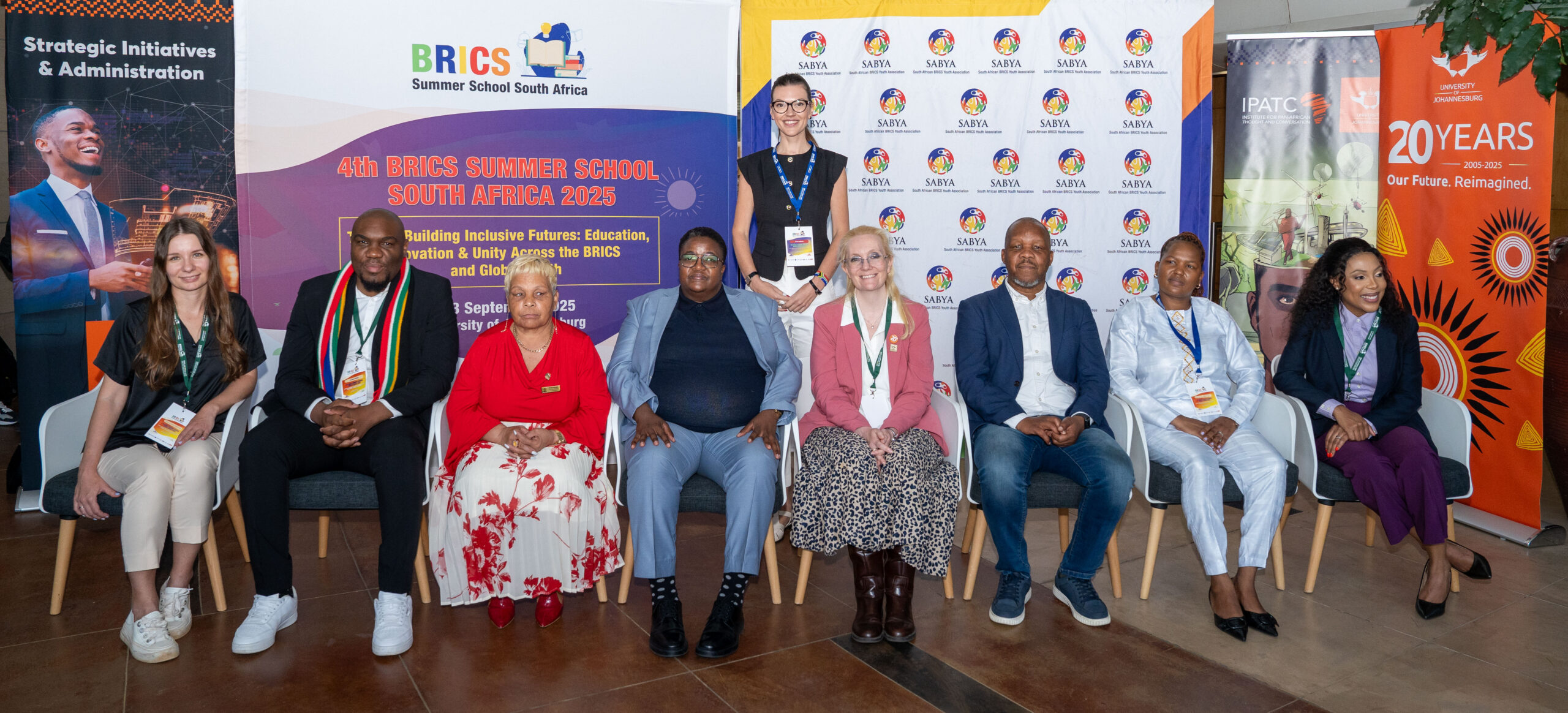
During the BRICS Simulation Workshop and Training sessions, delegates were grouped by member states to discuss assigned topics.Delivering the keynote address, Deputy Minister for Women, Youth and Persons with Disabilities, Hon. Steve Letsike, emphasised the role of young people in shaping the future.
“We are bound by a common purpose to learn from each other, sharpen our ideas, and celebrate our diversity. We must challenge injustice, poverty, inequality, and exclusion to create a more inclusive and just society. This Summer School is a political act of imagination, where the voices of the Global South declare: we are here, we matter, and we will shape the world.”
The City of Johannesburg Speaker of Council, Cllr Margaret Sheron Arnolds, echoed these sentiments, describing the Summer School as a vital platform for amplifying Global South perspectives in global conversations.
Prof. Victoria Graham, Senior Director: Strategic Initiatives and Administration at UJ, said the programme provides a space for young minds to exchange ideas, foster academic collaborations, and build international ties.
“The Summer School promotes diverse perspectives on international relations, development, and economic policy. It empowers the next generation of leaders.”
On Day 2, Deputy Minister for Science, Technology and Innovation, Hon. Nomalungelo Gina, highlighted the role of innovation in addressing unemployment and societal challenges.
“Nations that lead in innovation and commercialisation will thrive in this golden age. South Africa must ensure its youth are at the forefront. Universities generate innovation, but much remains uncommercialised. Our innovation fund supports initiatives from idea to prototype to market, building a resilient ecosystem for solutions across the country and continent.”
She encouraged delegates to leverage the BRICS platform for entrepreneurial and innovative opportunities across member nations.
The fourth BRICS Summer School reaffirmed UJ’s commitment to education that not only addresses the present but actively shapes the future.