The Autism in Africa Conference, hosted by the Centre for Neurodiversity at the University of Johannesburg (UJ) in collaboration with the Gauteng Department of Education (GDE), brought together a diverse group of participants from across the continent and beyond. Held from 8 to 10 April 2025 at UJ’s Soweto Campus and The Garden Venue in North Riding, the conference created a powerful platform for inclusive dialogue, partnership-building, and Afrocentric approaches to understanding autism and neurodiversity.
The event welcomed in-person and online attendees including academics, educators, policymakers, parents, caregivers, and members of the neurodiverse community. From the outset, the atmosphere was one of open exchange, warmth, and shared commitment to advancing autism awareness across Africa.
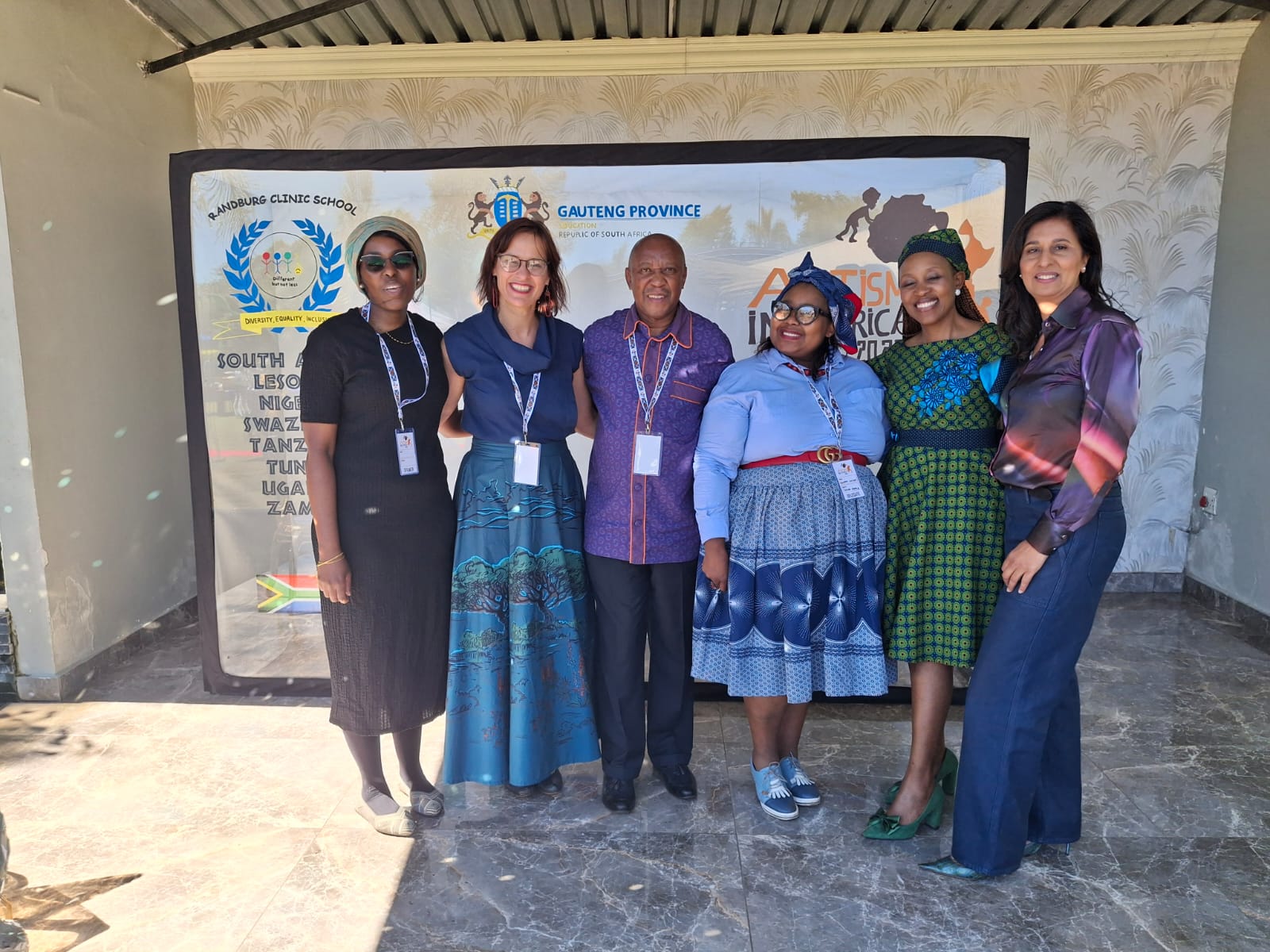
The programme combined informal engagements with more structured sessions, beginning with a stakeholder meet-and-greet at the Centre for Neurodiversity. Hosted by Professor Veronica Dwarika, Head of Department, and opened by Dr Hester Costa from the GDE, the gathering gave local and international delegates the opportunity to connect, reflect on lived experiences, and celebrate World Autism Awareness Day.
Over the following two days, discussions and presentations centred on the challenges and possibilities of building inclusive, contextually relevant systems of support for neurodiverse individuals in Africa. Delegates explored themes such as the lack of reliable data, policy gaps, stigma, and under-resourced education and healthcare systems—alongside strategies for advocacy, community mobilisation, and cross-sector partnerships.
There was a strong call for African-led responses grounded in local knowledge, culture, and lived experience. Conversations moved beyond diagnosis and medical models, instead embracing broader social and educational inclusion. A standout moment was the discussion around the proposed establishment of an African Association and Journal for Neurodiversity, a vision that received widespread support. An interim committee was formed to take the idea forward and develop a continent-wide research and collaboration platform.
Among the many voices shaping the dialogue was Prof. Petrus de Vries, Professor of Child and Adolescent Psychiatry at the University of Cape Town, who delivered a heartfelt reminder of the need for unity and humility:
“We need everyone. There is not one person, one professional, or group or agency. We need one another to achieve our goals. Let’s be humble and work together, including neurodiverse individuals.”
Dr Nettie Ndou-Chikwena, a Postdoctoral Fellow at UJ, echoed this sentiment:
“Prof. de Vries emphasised the value of shared learning, which left me feeling more open to collaboration and growth. We can learn together.”
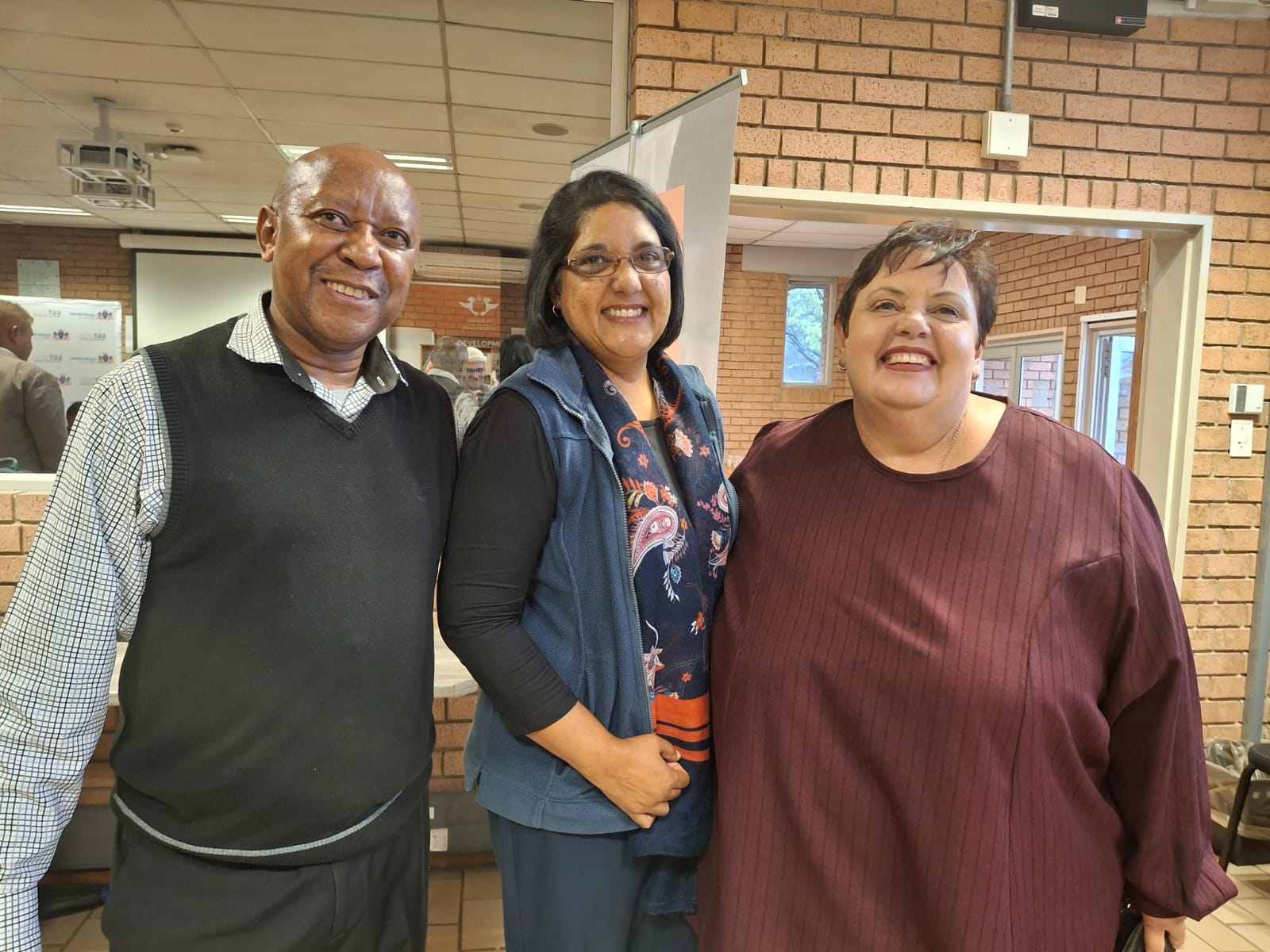
The conference also highlighted local innovation and leadership. Prof. Maximus Sefotho, Director of the Centre for Neurodiversity and Full Professor in the Department of Educational Psychology at UJ, reflected on the progress made and the road ahead. He emphasised the importance of Africanising knowledge around neurodiversity, and shared exciting initiatives being led by the Centre—including the Fathers of Children with Neurodiversity (FCN) network and the Mpedi Scholarship Awards.
In a touching moment, Prof. Sefotho acknowledged the personal and institutional support of UJ Vice-Chancellor and Principal, Professor Letlhokwa Mpedi, and his family, whose contribution enabled the Centre to acquire the Griffiths III Assessment Toolkit, a critical resource for neurodevelopmental assessment.
Looking ahead
The Autism in Africa Conference marked a meaningful step towards a more inclusive, informed, and collaborative future for neurodiversity on the continent. Through honest conversations, new partnerships, and tangible outcomes—including the formation of a research network and plans for an African journal—participants left energised and inspired.
It was not simply a conference, but the beginning of a movement that places African voices and experiences at the centre of the global neurodiversity conversation.