Newspapers are closing, elections manipulated online and gig workers earning a pittance to train the AI systems that may soon replace them. On 23 March 2026, Prof Admire Mare from the University of Johannesburg issued a pointed challenge to Big Tech, governments, and academia about this.
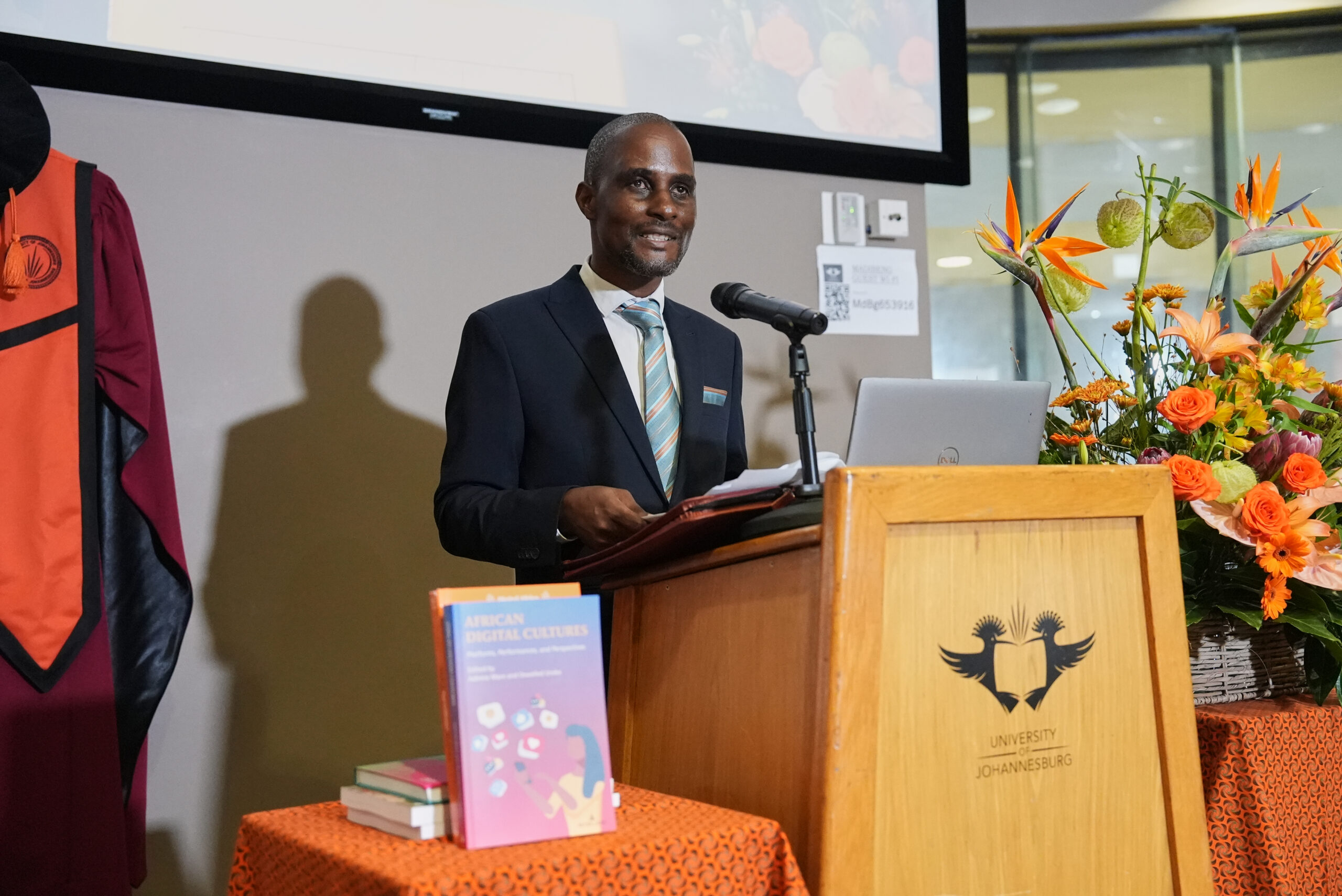
The story about the collapse of African news media is also a story about what happens to democracy, he argued. Drawing on research across newsrooms in Kenya, Zimbabwe, South Africa, and Namibia, he showed how digital platforms like Facebook and Google have drained the advertising revenues that once kept local journalism alive, while simultaneously controlling the algorithms that determine whether anyone sees that journalism at all.
Borrowing Michael Kwet’s notion of “infrastructure-as-debt”, where foreign tech corporations embed news organisations so deeply into their platforms that leaving becomes practically impossible, he described the relationship as exploitative but also beneficial at the same time.
The harms Prof Mare catalogued extend well beyond media. Describing growing resistance against the industry, he said: “In Africa, this wave of ‘techlash’ against Big Tech companies has been spawned by issues such as electoral manipulation by Cambridge Analytica in Kenya and Nigeria; impact on journalism in South Africa; democracy in Nigeria; mental health; working conditions of gig workers in Kenya; and content moderation practices in Ethiopia.”

A study he co-authored on online gender-based violence found that female journalists in Namibia are being targeted through digital platforms. His current IDRC-funded project, GEDESA, is tracking gendered disinformation campaigns in elections across Kenya, Namibia, and Zimbabwe.
Prof Mare pushed back against the idea that digital platforms are inherently tools of liberation. Authoritarian governments across the continent, he argued, have become adept at turning these same infrastructures against their citizens, through internet shutdowns, state-sponsored disinformation campaigns, and mass surveillance.
At the heart of Prof Mare’s argument is a demand for accountability over the systems that now govern so much of public and economic life.
“For far too long, platforms, algorithms and AI systems have been mythologised as ‘black boxes’. We need to insist that the black box of technology should be opened.”
He proposed a framework of “platform justice” built on redistribution, recognition, reparation, and accountability in the design and governance of digital systems.
Prof Mare grew up in rural Zimbabwe and holds a PhD in Journalism and Media Studies from Rhodes University. He is Head of Department in UJ’s Department of Communication and Media Studies in the Faculty of Humanities.
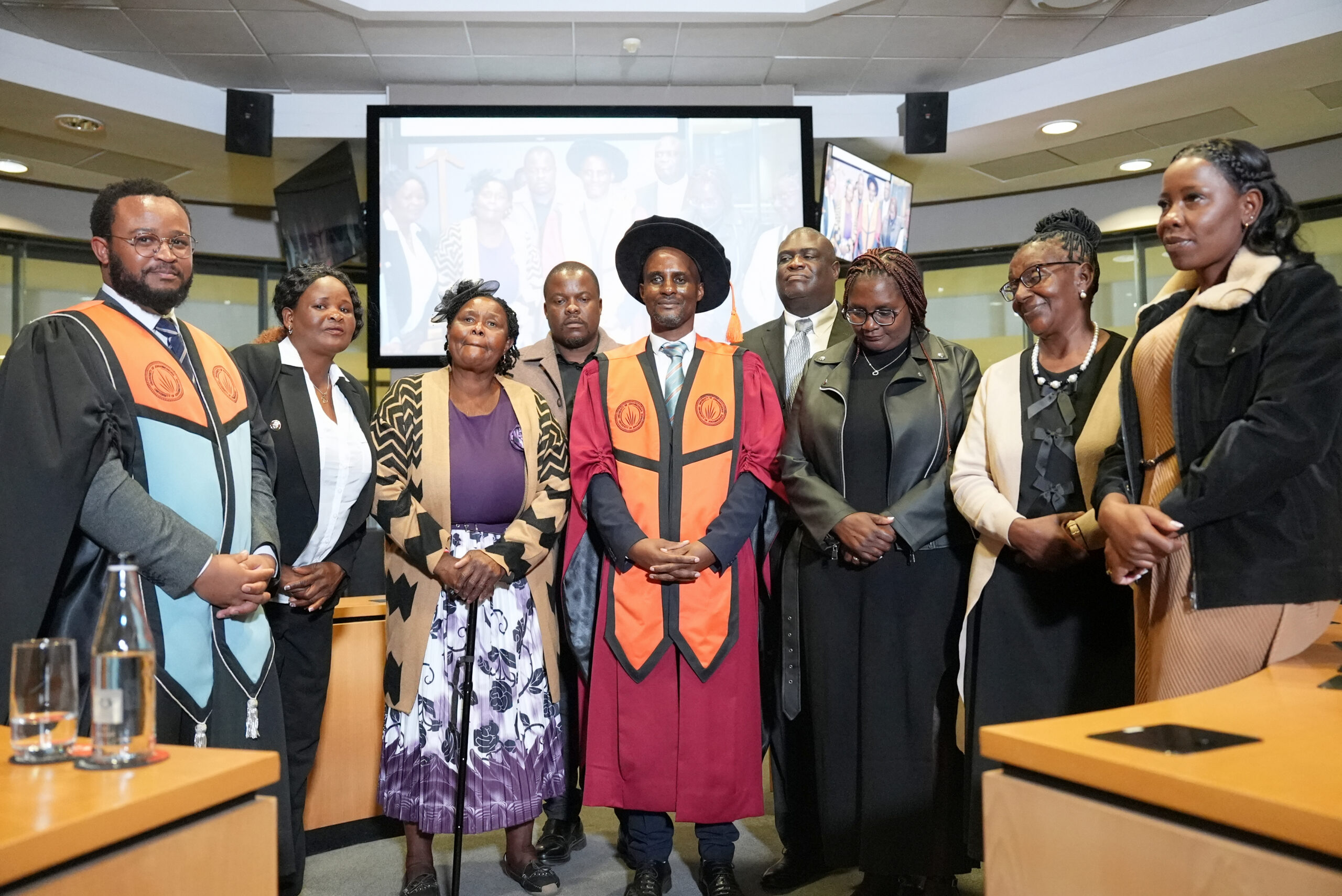
He has authored or edited 11 books and more than 80 scholarly works, accumulating over 1500 citations.
He has served on Meta’s Global Panel of Experts on Misinformation and advises organisations including UNESCO, the African Union, and the Forum on Information and Democracy.