The University of Johannesburg School of Tourism and Hospitality (STH), in partnership with the Disability Unit in the Centre for Psychological Services and Career Development (PsyCaD), hosted an immersive experiential learning initiative titled Lunch in the Dark on Wednesday, 13 May 2026 at the STH Ngeyethu Skills Restaurants.
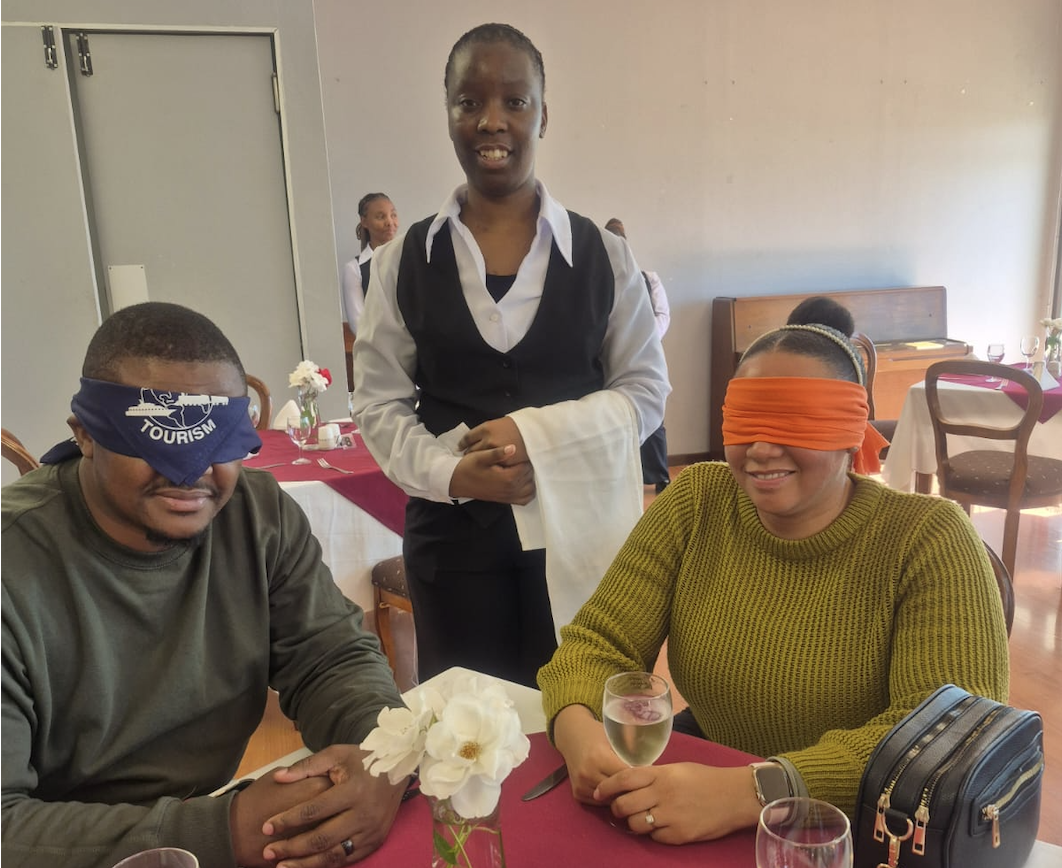
Designed to challenge perceptions, foster empathy, and deepen understanding of inclusive hospitality, the initiative invited guests to dine in complete darkness — transforming a meal into a powerful learning experience centred on accessibility, human connection, and sensory awareness.
Far more than a unique dining concept, Lunch in the Dark demonstrated the School’s commitment to innovative, industry-relevant education that equips students with the human-centred competencies increasingly required across the global tourism and hospitality sector.
Guests experienced dining without sight, relying instead on taste, texture, sound, and interaction to navigate the experience. The initiative offered valuable insight into accessibility and customer experience design, while encouraging participants to reflect on the everyday challenges faced by persons living with visual impairments and sensory sensitivities.
For students, the event served as a live experiential learning platform that extended beyond traditional classroom teaching. Through the planning, coordination, and facilitation of the initiative, students gained practical exposure to inclusive service delivery, sensory dining concepts, stakeholder engagement, event management, and socially conscious hospitality practices.
“This initiative reflects the School’s broader approach to preparing graduates for an evolving industry — one where emotional intelligence, adaptability, empathy, and innovation are becoming as valuable as technical expertise,” said Associate Professor Nicola Wakelin-Theron from the School of Tourism and Hospitality.
A key strength of the initiative was the collaboration between academic, institutional, and industry-aligned stakeholders. By partnering with the Disability Unit, the School created a multidisciplinary learning environment that exposed students to diverse perspectives while reinforcing the importance of accessibility and inclusion within the visitor economy.
Feedback from students, academics, and industry stakeholders highlighted the impact of the experience. Students noted that they had never previously received training of this nature, while academics described it as a pioneering initiative that should be expanded to better prepare graduates for real-world challenges.
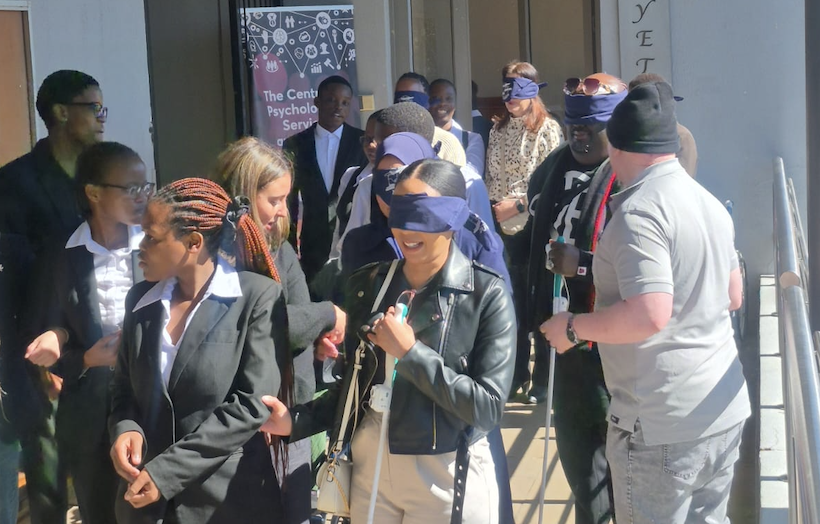
Industry representatives described the experience as “eye-opening” and valuable, noting that it offered a meaningful glimpse into the realities faced by persons living with blindness or those on the autism spectrum when navigating everyday activities such as eating, walking, and learning.
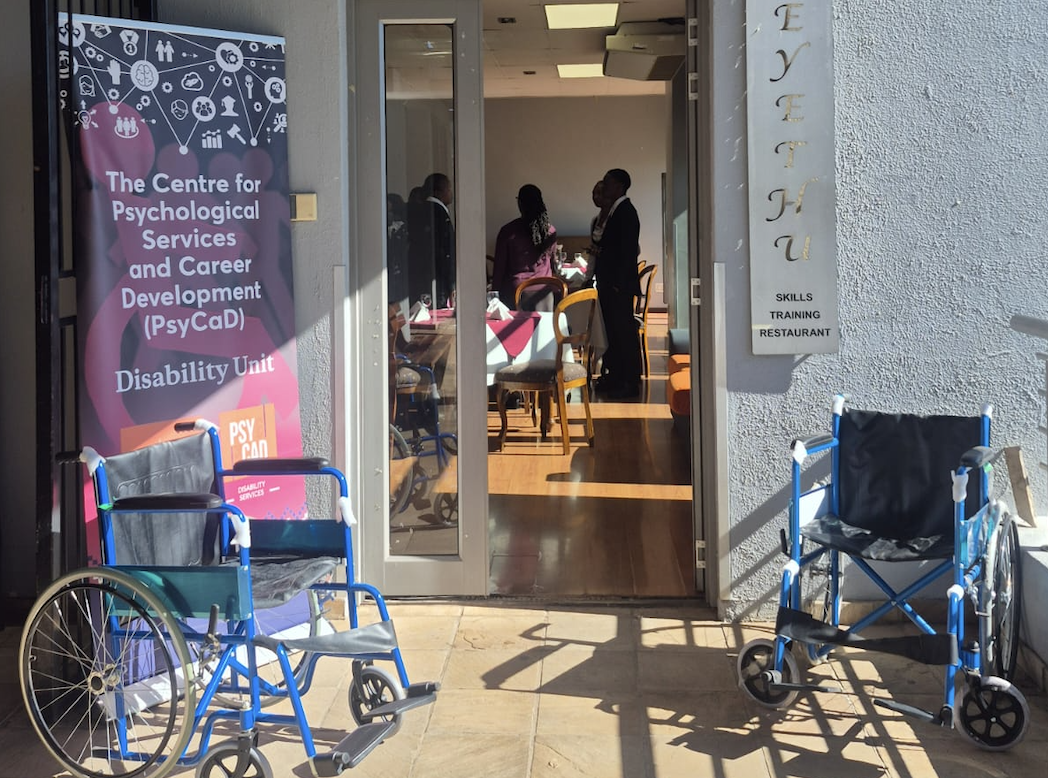
The event also featured interactive disability-awareness simulations and reflective discussions that encouraged deeper conversations around inclusivity and social responsibility. PsyCaD showcased a range of assistive technologies currently used by students with visual impairments on campus, further enriching the educational experience.
Beyond its educational value, Lunch in the Dark carried a strong social impact component, with proceeds from ticket sales contributing towards the School’s fundraising efforts to support students who fall within the “missing middle” — those who do not qualify for traditional financial aid support structures.
With limited seating, the event created an intimate yet impactful environment that blended experiential learning, social consciousness, and innovation in hospitality education.
Key highlights of the initiative included:
- An immersive dining experience in complete darkness
- Student-led experiential hospitality training
- Disability awareness activities and simulations
- Collaboration between academic and institutional stakeholders
- Reflective engagement on inclusivity and accessibility
- Proceeds supporting the Missing Middle initiative
At the University of Johannesburg School of Tourism and Hospitality, learning extends far beyond the classroom. Initiatives such as Lunch in the Dark demonstrate how experiential education, collaborative partnerships, and industry-aligned training are equipping students with the empathy, adaptability, and leadership skills required to thrive in a rapidly evolving global hospitality landscape.
Building on the success of the initiative, the School plans to expand the concept further.
“We are planning to host a bigger event and aim to embed our learning from this experience and build on the right capabilities to host an evening Dinner in the Dark during 2027,” the organisers said.
As the University celebrates 21 years of impact, the School of Tourism and Hospitality continues to reimagine hospitality education by creating transformative experiences that prepare graduates not only for successful careers, but also for meaningful leadership in industry and society.