Dear UJ community,
Universities have a critical role to play in shaping not only the technologies of the future, but the values and legal frameworks that will govern them. One of these areas is artificial intelligence (AI), which is already shaping decisions across finance, healthcare, policing and warfare, often without clear accountability. As innovation accelerates, regulation remains fragmented and uneven, raising urgent questions about responsibility, ethics and global coordination.
UJ launches AI and Law podcast exploring global governance challenges
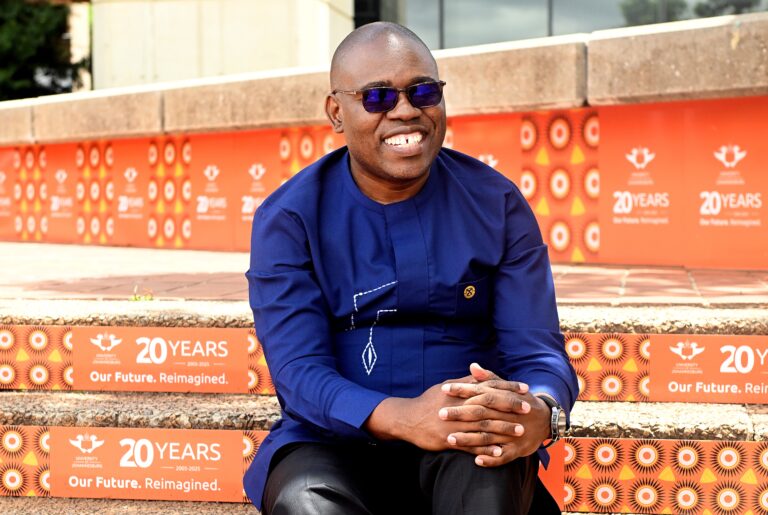
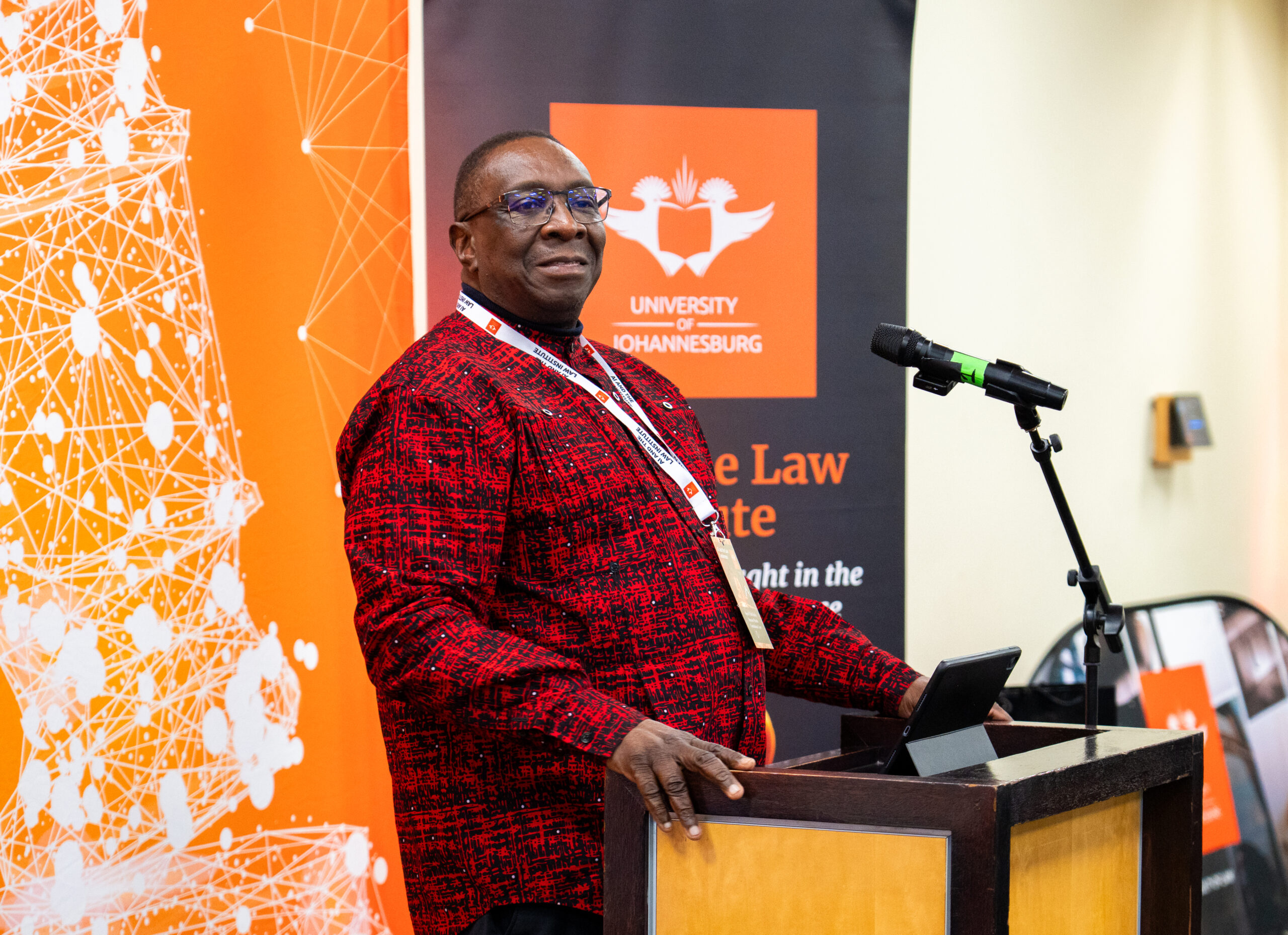
UJ will next week on Wednesday, 29 April 2026, launch its new podcast series that is aimed at engaging one of the most pressing issues of our time: how to govern artificial intelligence in a rapidly changing world. Beyond the Code: AI and Law, as the podcast is known, is a bold, thought-leadership platform led by me. It explores the critical intersection between AI and the law and how the legal systems must evolve in a world where technological innovation is advancing faster than regulation. At its core, the podcast seeks to ensure that as AI reshapes our world, it does so in a way that upholds justice, human dignity and innovation.
The series will bring together leading voices to unpack ethical dilemmas, governance challenges, and societal impact. In the inaugural episode next week, I will be in conversation with my predecessor, Professor Tshilidzi Marwala, Rector of the United Nations University (UNU) and Under-Secretary-General of the United Nations. Together, will unpack the growing gap between technological advancement and the legal and regulatory frameworks meant to guide it. The launch will take place at the UJ Arts Centre, Auckland Park Kingsway Campus, between 18:00 and 21:00. Don’t miss out on this exciting discussion.
U21 Global Education and Senior Leaders’ Meeting 2026
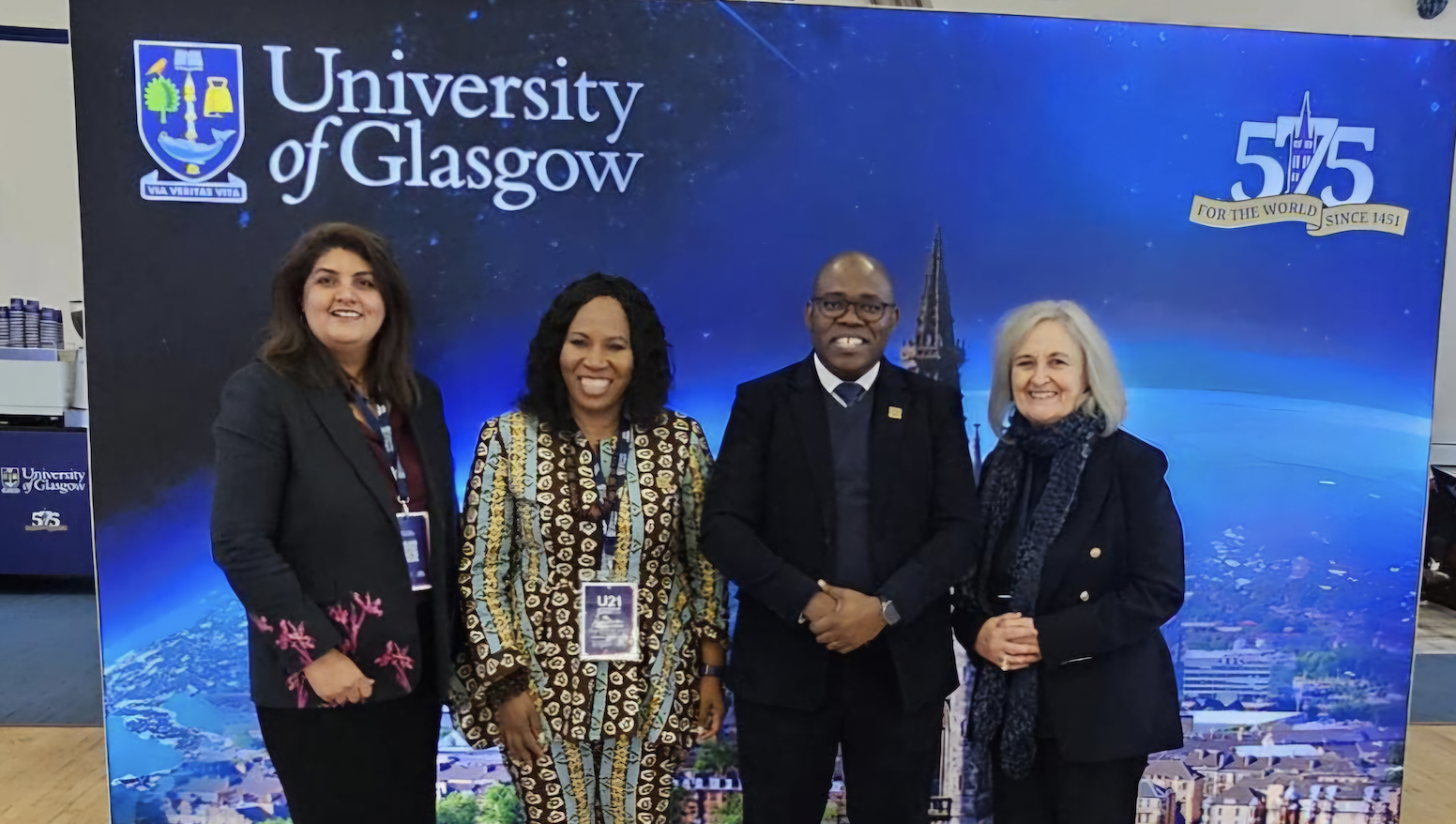
This week, I had the honour of attending the U21 Global Education and Senior Leaders’ Meeting in Glasgow, England, as a member of the Universitas 21. The event, which is an annual network meeting to shape the strategic direction of member universities, was hosted by the University of Glasgow, as part of its 575th anniversary celebrations. UJ is the only South African university and the only African member of the U21 network, positioning the institution within global discussions on how universities respond to technological disruption, inequality, and increasing pressure on higher education systems. On Wednesday, I participated in a panel discussion titled, The Big Picture: A President’s Briefing on the State of Global Higher Education, which unpacked issues, the core challenges, risks, opportunities, and decisions that will define the next five years of higher education. It also offered participants a candid view of the sector’s trajectory and the leadership mindset required to navigate this period of accelerated change.
I made the point that some of the tensions in the higher education sector are experienced more acutely in South Africa. I cited challenges such as university enrolments which have exponentially increased since the 1994 democratic dispersion, the increasing dropout rates, infrastructure deficits, student accommodation, and deep funding challenges. I referred to Klaus Schwab’s latest book on universities, which arrives at a defining moment for higher education globally. For instance, his central provocation is that universities built for the Industrial Age are ill-equipped to serve the digital intelligent era. I highlighted UJ Digital as amongst the interventions but that even so, the digital divide is not solved solely by launching a platform. Rather, it is solved when students can actually afford devices and the time to learn. Read more about this here.
UJ secures UNESCO Chair and government partnership
In another significant development, UJ has secured a UNESCO Chair in Cultural Inclusivity and Equity in Digital Media in Africa for the 2026 to 2030 cycle, and formalised a strategic partnership with the government, positioning the institution at the centre of South Africa’s and Africa’s digital inclusion agenda. The UNESCO Chair was secured following a competitive global process involving 135 applications reviewed at UNESCO headquarters in Paris. This award places UJ among more than 1,000 UNESCO Chairs across 120 countries. The Chair, held by Professor Prinola Govenden in UJ’s Faculty of Humanities, will focus on addressing digital inclusion, cultural representation and equitable access to knowledge in Africa’s rapidly evolving digital environment, amongst other roles.
Last week on Friday, 17 April 2026, UJ also signed a Memorandum of Understanding (MoU) with Minister of Communications and Digital Technologies, Solly Malatsi, formalising collaboration to advance digital transformation, policy development and inclusive innovation. The development has received endorsement at Cabinet level, led by Minister in the Presidency, Hon. Khumbudzo Ntshavheni, citing its significance for South Africa’s global positioning and Africa’s participation in international digital cooperation. The MoU signing marked the first major activation of the Chair, with participation from industry stakeholders including MTN Group, Ericsson and the South African Chamber of Commerce and Industry, signalling cross-sector support for inclusive digital growth. To read more about this, click here.
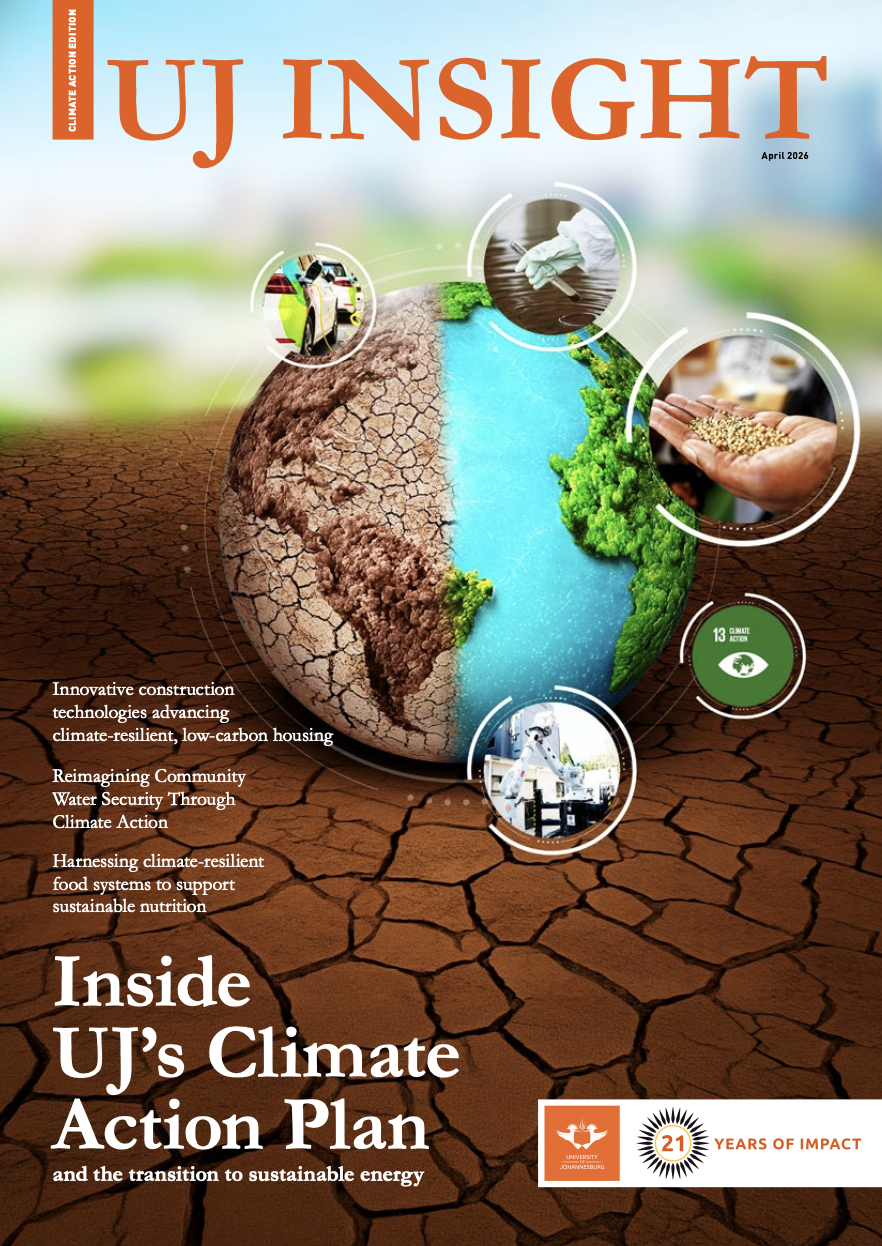
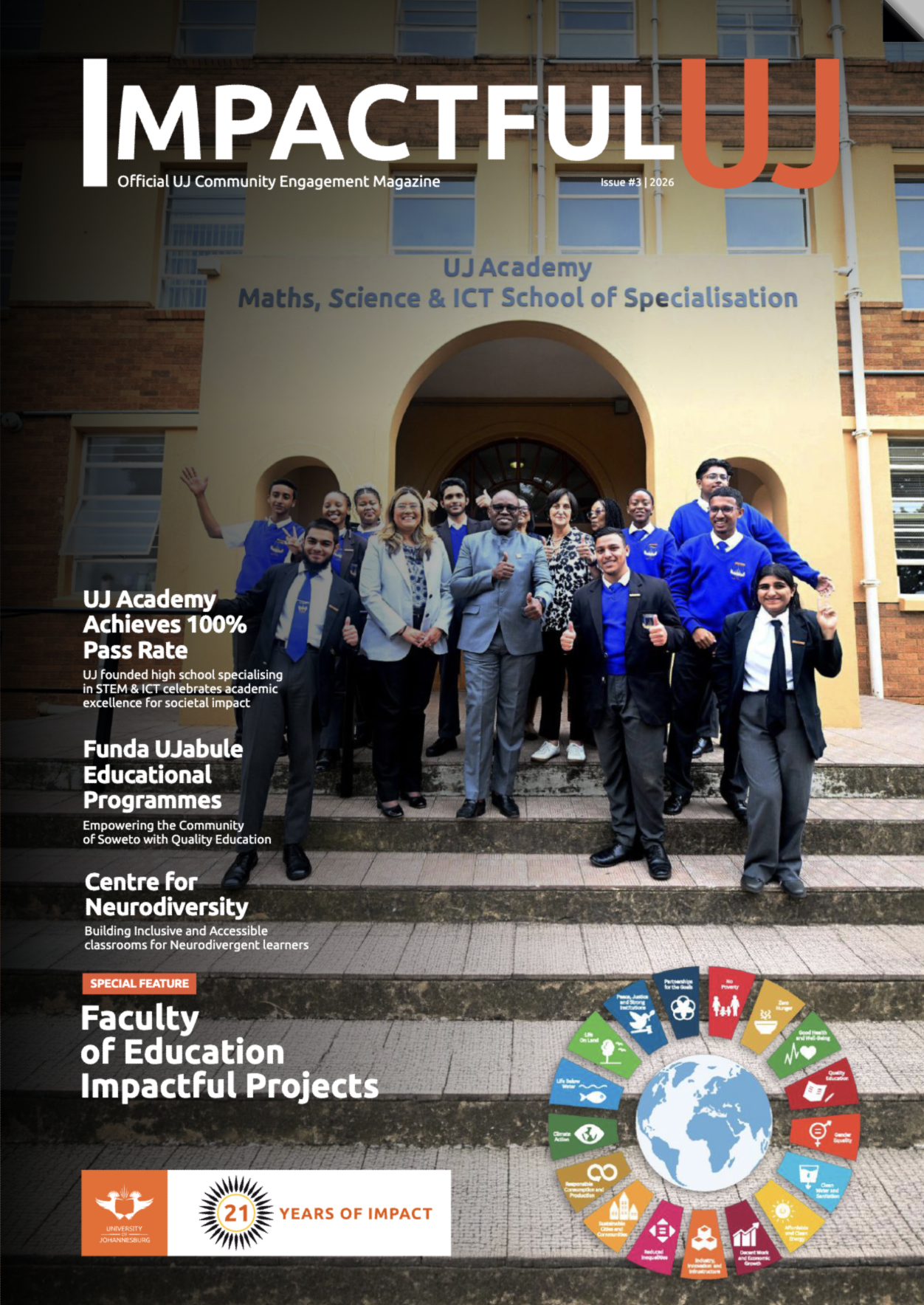
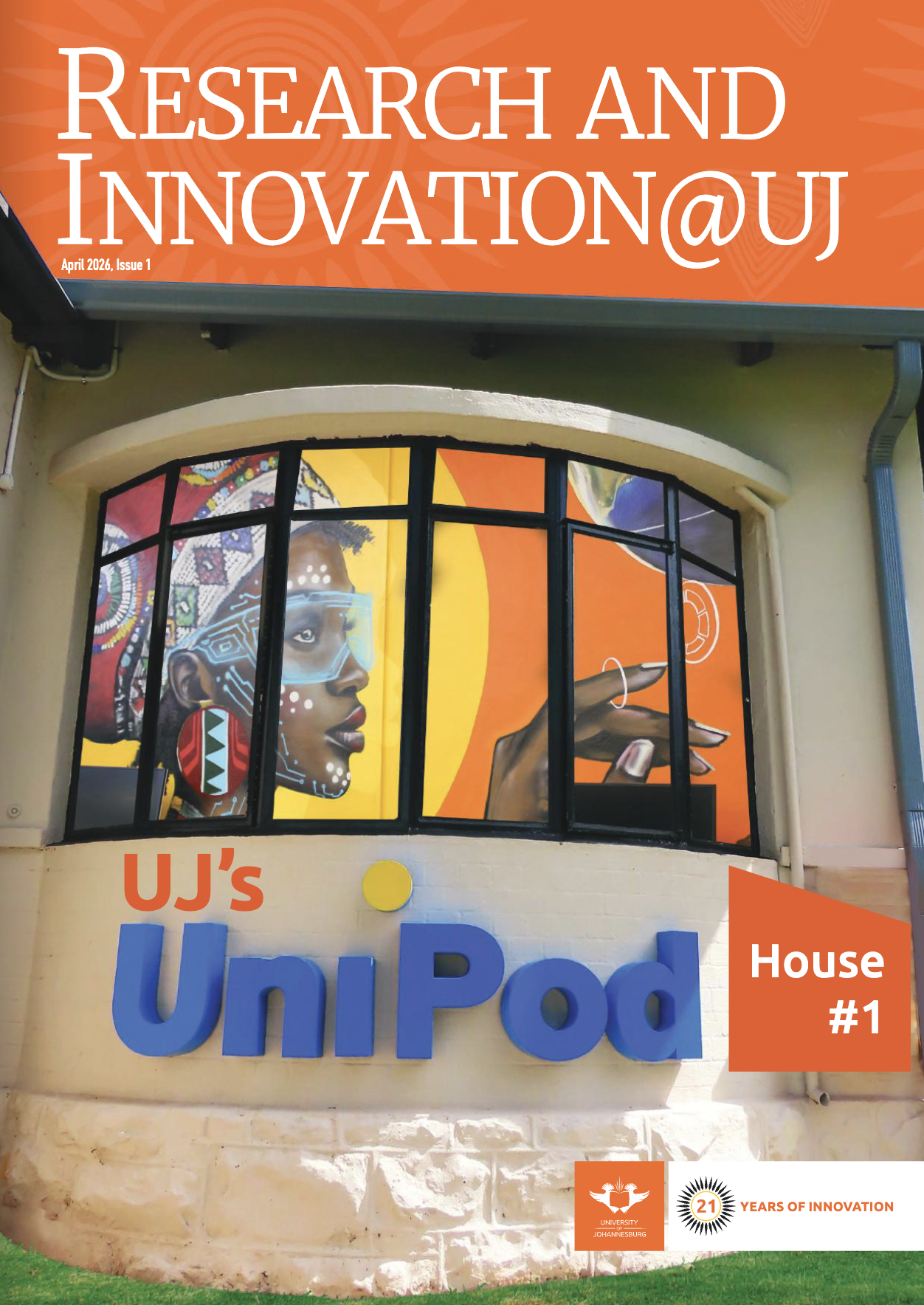
UJ magazines