At a time when armed conflict continues to rise globally, the human consequences of war remain deeply felt by those left behind, families searching for answers, communities grappling with loss, and societies working towards accountability and healing.
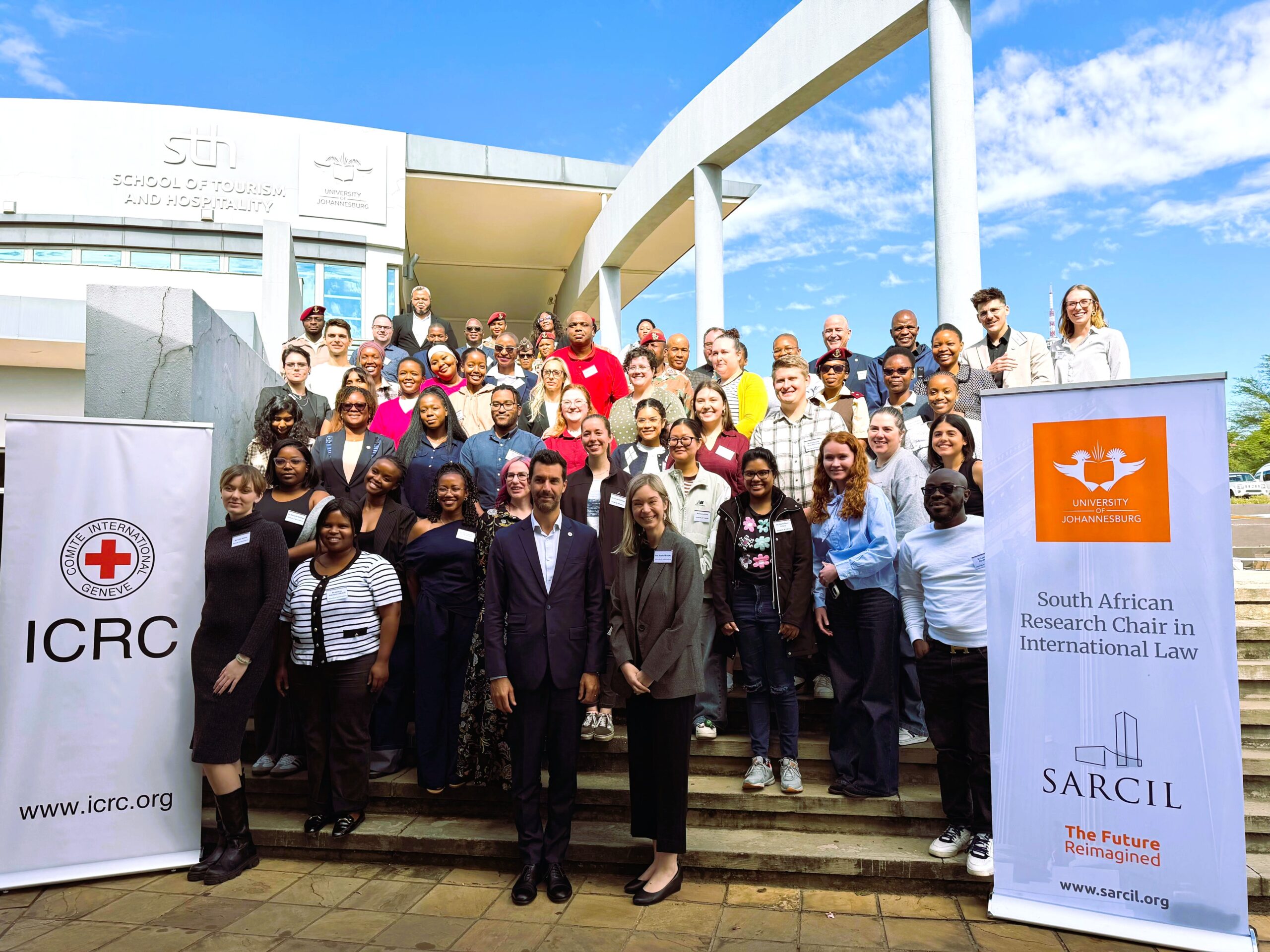
Against this backdrop, the Faculty of Law at the University of Johannesburg (UJ) is hosting a masterclass on IHL and the Separated, Missing and Dead: From Law to Practice, in collaboration with the International Committee of the Red Cross, from 21 to 23 April.
Bringing together legal scholars, forensic experts, military practitioners, and policymakers, the workshop creates a vital platform for multidisciplinary engagement on one of the most enduring humanitarian challenges of armed conflict: the fate of the missing and the dignified management of the dead.
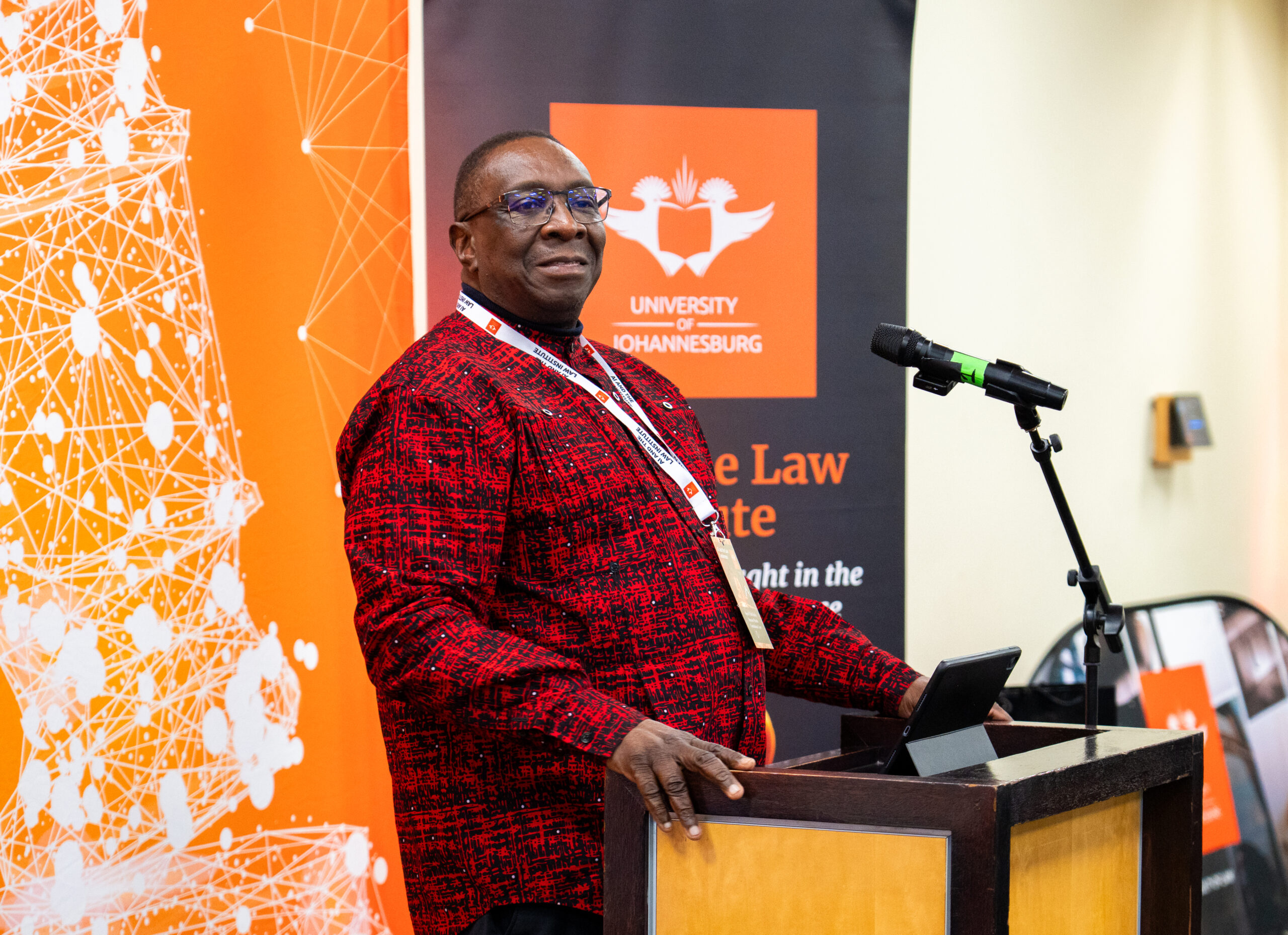
Opening the workshop, Prof Martha Bradley, Associate Professor in the Department of Public Law and an associated researcher with the NRF South African Research Chair in International Law, reflected on the profound human impact of non-compliance with international humanitarian law.
“Behind every missing person is a family living with uncertainty, often for years, sometimes for generations,” she said.
Her remarks underscored that while international humanitarian law provides a clear and comprehensive framework, the real challenge lies in its implementation across complex and often fragmented systems.
“These are not optional commitments. They are legal obligations grounded in the principles of humanity and dignity.”
Prof Bradley further highlighted the importance of collaboration across disciplines, noting that addressing the separated, missing, and dead requires coordinated efforts between legal, forensic, and institutional actors.
The workshop is engaging deeply with key principles of customary international humanitarian law, particularly the obligations placed on parties to armed conflict in relation to the dead.
Participants are exploring the duty to search for, collect, and evacuate the dead following engagements, as well as the requirement to prevent despoilment and ensure respectful and dignified burial practices. Central to these obligations is the need to account for the dead, record identifying information, and facilitate the return of remains to families wherever possible.
Reinforcing this perspective, Mr Jean-Nicolas Paquet-Rouleau, Head of Pretoria Regional Delegation for Southern Africa at the ICRC, emphasised the real-world consequences of failing to uphold these obligations:
“When obligations under international humanitarian law are not complied with, people go missing, families are separated, and the dead are treated without due regard for their dignity.”
“The dead must be disposed of in a respectful manner, and graves must be respected and properly maintained.”
Discussions are also highlighting the critical role of forensic science and institutional coordination in enabling identification processes and supporting accountability mechanisms, including the adjudication of war crimes.
Beyond legal compliance, the workshop emphasises the broader significance of these obligations in contributing to peacebuilding and reconciliation.
Respectful treatment of the dead, including those of adversaries, is identified as a powerful expression of shared humanity and a means of fostering trust between parties to conflict.
“How the dead are treated reflects not only legal compliance, but our shared humanity,” it was noted during the engagement.
Participants are also reminded that the search for the missing is not only a legal process but a deeply human one, driven by the universal need to know the fate of loved ones.
By convening experts from across disciplines, the workshop reinforces the importance of integrated approaches to addressing complex humanitarian challenges. From legal frameworks and forensic identification to policy development and institutional coordination, the discussions highlight the need for sustained collaboration.
The workshop forms part of UJ Law’s ongoing commitment to advancing legal scholarship and practice that responds to pressing global challenges, while contributing to the development of socially conscious legal professionals.
Through initiatives such as this, the Faculty continues to position itself at the forefront of conversations that bridge law, humanity, and societal impact, ensuring that even in the most difficult contexts, dignity remains at the centre of legal practice.